Bedding guide
Wool Comforters Through the Seasons: Fill, Breathability, and Care
A wool comforter can feel reassuringly cozy on a cold night without becoming a sweaty burden when the room warms up. Its appeal lies in a combination of insulation and moisture management—but fill, weight, cover fabric, and care all shape how it performs. Here’s what to know before choosing one, and how to help it stay comfortable over time.
Why wool bedding can work beyond winter
Wool is often associated with heavy sweaters and deep-winter warmth. In bedding, though, its story is more nuanced. Wool fibers help trap air, providing insulation, while also taking up and releasing moisture vapor. That combination can support a more balanced sleeping environment than warmth alone might suggest.
Comforters made with wool are not automatically cool in summer or warm enough for every winter bedroom. Their feel depends on how much wool is inside, how evenly it is distributed, the fabric surrounding it, and the conditions in the room. Still, wool’s ability to insulate while helping manage humidity makes it an appealing material for people who want bedding that feels less tied to a single season.
Think of the comforter as part of a sleep system, not a stand-alone climate control device. Room temperature, pajamas, sheets, mattress materials, personal warmth preferences, and even the number of people sharing the bed all play a part. The right wool comforter adds another adjustable layer—one that can feel inviting without necessarily being as dense or clammy as its winter-weight reputation implies.
How wool manages warmth and moisture
Wool fibers have a naturally crimped structure. In a comforter, that structure helps create small spaces that hold still air, and still air acts as insulation. In simple terms, the fill helps slow the movement of heat away from the sleeper. The amount of insulation depends on the wool’s quantity and arrangement, as well as the comforter’s overall construction.
Wool is also hygroscopic: it can absorb water vapor into the fiber and later release it as surrounding conditions change. This is different from saying a comforter stays dry under every circumstance. A wool-filled comforter can still become damp if exposed to spills, persistent high humidity, or inadequate drying. Rather, moisture management refers to the fiber’s interaction with vapor in the sleep environment—not a guarantee of waterproof protection.
That distinction matters because warmth and breathability are sometimes treated as opposites. A comforter can provide insulation while still allowing some air and moisture movement through its layers. The cover, weave, quilting, and fill density all influence that exchange. A tightly woven outer fabric may feel smooth and help keep fibers contained, while a more open construction may allow greater airflow. Neither approach is universally best; comfort depends on the full combination.
Wool’s natural performance also varies with the finished product. Fiber preparation, fill distribution, the amount of fill, and the presence of other materials can affect loft, drape, and resilience. For that reason, a label that simply says “wool” tells only part of the story. Construction details are useful clues when comparing options.
Fill, weight, and the feel of a comforter
Comforter weight can be described in different ways, so compare specifications carefully. Some makers list the fill weight—the amount of filling inside—while others emphasize the finished comforter’s total weight. These are not interchangeable figures. A heavier overall item may owe some of its weight to the shell, stitching, or other construction materials rather than additional wool.
More fill often means greater insulation, but it does not tell you exactly how warm a comforter will feel. A generously filled comforter may have more loft and a more enveloping drape. A lighter fill may feel less substantial and suit a warmer bedroom or someone who prefers minimal covering. The cover and quilting can change the impression, too: a supple shell may settle close to the body, while a firmer one can hold a more structured shape.
Look for clear information about fill composition and quantity. If a product lists a blend, check what proportion is wool and what other fibers are included. Blends can alter cost, resilience, weight, or hand feel, but the result depends on the specific materials and design. Avoid assuming that a natural-fiber label alone tells you the comforter’s warmth rating or how it will perform in your room.
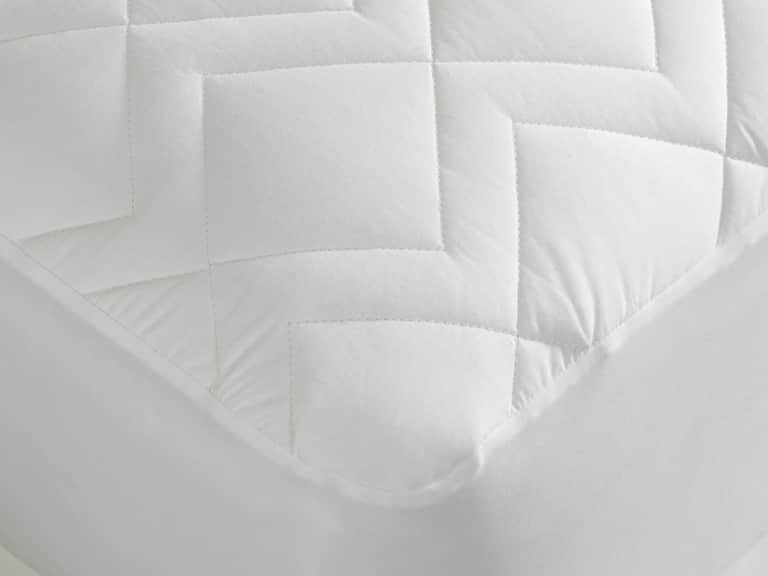
Construction is another practical consideration. Quilting or stitching helps limit the movement of fill, keeping it distributed across the bed. The pattern and spacing of those stitches can influence how evenly the comforter lies and whether it feels lofty or more compact. Inspect the seams and edges as well as the center: even distribution matters for consistent warmth, and sturdy finishing can help the item hold up to regular use.
Choosing wool bedding for different seasons
There is no single comforter that feels ideal to every sleeper in every climate. A useful starting point is the bedroom rather than the calendar. Someone in a well-heated home may need a lighter layer through winter, while a chilly room can call for more insulation. In a humid summer climate, ventilation and a breathable sheet may matter as much as the fill itself.
Spring and fall: the flexible middle ground
These in-between seasons are where a medium-weight comforter may be especially useful. Temperatures can shift from night to night, and a layer that feels comfortable across a wider range may reduce the need to change the bed constantly. Pairing it with lighter sheets gives you another simple adjustment: keep the comforter, but change the layer closest to the skin.
Summer: keep the whole bed in view
On warm nights, a wool comforter may still feel too insulating, particularly in a room without effective cooling. A lighter fill, a breathable cover, and airy sheets can make a difference, but they cannot cancel out excessive room heat. Some sleepers prefer to fold the comforter back, use a lighter blanket, or store a winter-weight version until cooler weather returns.
Winter: warmth with room to adjust
For a colder bedroom, a heavier comforter can offer more insulation. Layering is another option: a wool comforter can be paired with a separate blanket so warmth is adjustable rather than fixed. This is especially helpful for shared beds, where one sleeper may feel cold while another prefers less coverage. Choosing layers that can be removed is often more practical than relying on one very heavy bed covering.
Seasonal comfort is personal. If you wake overheated, feel chilled despite the comforter, or find the bed uncomfortable after a change in weather, treat that as useful feedback. Adjust the layers or room conditions before concluding that wool itself is the problem.
What to check before buying
A little label-reading can prevent a mismatch between expectations and the comforter you bring home. Use the following checklist to assess the product as a whole:
- Fill details: Confirm whether the filling is wool alone or a blend, and look for a stated fill weight when available.
- Warmth guidance: Check whether the maker describes the comforter as light, medium, or warm, and what conditions that guidance assumes.
- Shell fabric: Note the cover material and weave. It affects feel, airflow, durability, and how well the fill stays contained.
- Construction: Look for information about quilting, stitching, and edge finishing that indicates how the fill is secured.
- Care instructions: Verify whether the comforter is spot-cleanable, washable, dry-clean-only, or intended for professional care.
- Size and drape: Compare the actual dimensions with your mattress and preferred amount of coverage.
- Certifications and claims: Check what a stated certification applies to and whether the claim concerns the fiber, the finished textile, or another part of production.
Careful questions are particularly useful when product descriptions use broad words such as “all-season,” “temperature regulating,” or “natural.” Those phrases may help describe the intended experience, but they do not replace measurable details. If warmth is a priority, ask about fill amount and expected use. If easy care matters most, read the instructions before buying rather than assuming a comforter can go in a household washing machine.
Care: protect the fill, not just the surface
Wool comforter care varies by construction. Some products may tolerate a particular form of washing, while others may shrink, mat, lose loft, or become difficult to dry if handled incorrectly. The care label is the authority for that specific item. Follow it even if another wool comforter you have owned had different instructions.
Routine care can often be gentle. Shake or spread the comforter out periodically to help restore its shape, and give it a chance to air in a dry, shaded, well-ventilated space when the care instructions allow. Avoid leaving wool bedding damp or tightly compressed for long periods. Direct, intense heat and prolonged exposure to strong sunlight can be hard on textiles, so use the maker’s guidance for drying and airing.
Spot care for small marks
For a small spill or mark, first check the label. If spot cleaning is permitted, work carefully with a clean cloth and the recommended method. Avoid aggressive rubbing, excess water, and unapproved cleaning products, which can damage the shell or disturb the fill. Blotting gently is usually safer than scrubbing, but the product’s own instructions should guide the exact approach.
Do not assume that a comforter can be machine washed simply because a mattress pad or duvet cover is washable. A large, absorbent comforter may exceed a home machine’s capacity even when the fiber itself is washable. An overloaded washer can clean unevenly, strain seams, and leave the fill too wet to dry properly. If professional cleaning is specified, follow that recommendation.
Storage between seasons
Before putting a comforter away, make sure it is clean and completely dry according to its care instructions. Store it in a breathable fabric bag or a clean, dry cupboard where it will not be crushed under heavy items. Avoid sealing damp bedding in plastic or compressing it for an extended period, as trapped moisture and pressure can affect its freshness and loft. When you bring it back out, air it before making the bed.
Common assumptions worth reconsidering
“Wool is always too hot.” Not necessarily. Fill weight, cover fabric, room temperature, and bedding layers all shape the experience. Wool can insulate while helping manage moisture, but a warm, heavy comforter can still be uncomfortable in a hot room.
“Breathable means cool.” Breathability describes how readily air or moisture can move through materials; it does not mean a product provides no warmth. A breathable comforter can still be insulating, and its suitability depends on the sleeper and setting.
“Natural materials need no special care.” Natural fibers still need appropriate cleaning, drying, and storage. Wool can be damaged by unsuitable washing or prolonged dampness, so care instructions are essential.
“One comforter will suit everyone.” Sleep temperature and comfort preferences vary. A shared bed may need flexible layers, while a solo sleeper may prefer a particular weight or drape. The best choice is the one that works in the real conditions of the bedroom.
A more comfortable choice, season by season
Wool comforters offer a distinctive balance: insulation from crimped fibers and the capacity to interact with moisture vapor. Their performance, however, is not magic and does not come from the word “wool” alone. Fill amount, fabric, quilting, room climate, and care all influence the result.
Start with the temperatures you actually sleep in, then consider how much coverage you like and whether you prefer one comforter or a flexible set of layers. Compare construction details and care requirements, and choose a weight that makes sense for your home rather than an abstract idea of what every season demands. With thoughtful selection and sensible maintenance, wool bedding can remain a dependable part of the sleep routine through changing weather.