A Practical Guide to Natural Latex Organic Mattresses: Performance, Sustainability, and Care
A thoughtfully practical exploration of natural latex mattresses, highlighting Dunlop vs. Talalay, certifications, durability, and care strategies for long-lasting comfort.
In the world of sleep technology, natural latex mattresses occupy a distinct niche that blends tactile luxury with high-performance comfort. For many sleepers seeking a mattress that aligns with natural materials, reduced chemical exposure, and robust durability, latex offers a compelling blend of resilience and adaptability. This guide dives into the core material differences, the certifications that help shoppers navigate claims of organic and eco-friendly production, and actionable care routines that extend the life of a natural latex unit without compromising comfort.
Material deep dive: Dunlop vs. Talalay latex
Latex used in mattresses comes in two primary processing methods: Dunlop and Talalay. Each process yields distinct feel profiles, density ranges, and durability characteristics that influence different sleeping styles and preferences.
Dunlop latex is poured into a mold and then cured, often resulting in a denser, slightly firmer foundation with a more pronounced support core. This method tends to produce a supportive and buoyant feel with good durability. For sleepers who prefer a firmer feel, a Dunlop-based core can offer dependable spinal alignment and containment of compression at the hips and shoulders. In many natural latex mattresses designed for children, smaller adults, or those who favor a more resilient lift, Dunlop can provide a straightforward, long-lasting support structure.
Talalay latex is manufactured through a multi-step process that results in a more uniform cell structure. The resulting feel tends to be lighter, with a more consistent pressure-relief profile across the surface. Talalay latex can deliver a plush-yet-supportive feel, often preferred by side sleepers who want deeper contouring around the shoulders and hips while maintaining core support. The balanced air pockets in Talalay latex can also contribute to a cooler sleeping surface when paired with breathable covers and proper zoning in the mattress design.
When choosing between these two, consider your typical sleep position, body weight, and temperature preferences. Some manufacturers offer hybrids or layered configurations that combine Dunlop and Talalay in different zones to tailor feel across the bed. In this way, the mattress can deliver a firmer, more stable support under the middle of the body while allowing softer contouring near pressure points.
Certification and safety: what to look for and why it matters
Certifications provide a framework for assessing the claims surrounding organic or natural latex products. While marketing language can be persuasive, independent verifications help ensure that the materials meet recognized standards for health, environmental impact, and overall safety.
- GOTS (Global Organic Textile Standard) certification applies to organic textiles used in the mattress cover and related layers. While GOTS primarily covers textiles, a mattress that uses GOTS-certified fabrics demonstrates a commitment to organic processing and fiber quality in the components that encase the latex core.
- GOLS (Global Organic Latex Standard) is the most relevant certification for latex itself. A GOLS-certified latex layer assures consumers that the latex is organic and produced according to environmental and social criteria at every stage of the supply chain, from raw material cultivation to final curing and testing.
- OEKO-TEX standards focus on testing finished textiles for harmful substances. An OEKO-TEX certification on the mattress cover or textile components helps reassure buyers about chemical safety in everyday use.
Myth: “Organic latex is always better.” Fact: Certification status, certification scope, and the overall mattress design matter. A mattress can feature a certified organic latex core but still incorporate non-organic foams or adhesives elsewhere in the construction. Look for transparent disclosures about every layer, not just the core material.
Durability, support, and performance: what to expect
Natural latex is renowned for resilience and long-lasting performance. With proper care, a latex core can maintain its shape, respond to changes in body weight and sleep position, and retain a consistent level of firmness over many years. Here are key performance considerations:
- Pressure relief and contouring: Latex offers a responsive surface that returns quickly after compression. Dunlop tends to provide a sturdier, more supportive contour, while Talalay can offer a lighter, more buoyant hug—particularly beneficial for side sleepers seeking relief around the shoulders and hips.
- Temperature regulation: Latex itself is naturally breathable due to its cellular structure. When paired with breathable covers and strategic zoning, latex mattresses can feel cooler than dense memory foam while still delivering excellent support.
- Durability and longevity: A high-quality natural latex core resists sagging better than many synthetic foams. With proper care, latex mattresses can outlast many other material systems, translating to better long-term value and fewer mid-life replacements.
- Motion isolation: Latex is generally less motion-isolating than memory foam because of its buoyant feel, which may be a consideration for couples with different sleep schedules or movements during the night.
Keep in mind that the overall feel of a latex mattress is also shaped by the cover materials, the density and layering of the latex, and any additional comfort layers. A well-designed mattress often uses a combination of latex densities and a breathable cover to balance contouring with support and temperature comfort.
Care and longevity: preserving performance without sacrificing comfort
Natural latex mattresses require thoughtful care to maintain their performance, shape, and hygiene. Here are practical guidelines for care and longevity:
- Airing and rotation: Rotate the mattress 180 degrees periodically to distribute wear evenly, especially if the bed experiences uneven weight distribution. Allow the latex to “breathe” by keeping the room well-ventilated on a regular basis.
- Protective covers: Use a breathable, moisture-wicking mattress protector that is designed for latex. A protector helps shield the latex from spills and body oils without trapping heat or restricting airflow.
- Cleanliness: For minor stains, wipe with a clean, damp cloth. Avoid harsh cleaners that could affect the cover or latex. If a deeper clean is necessary, consult the manufacturer’s guidance for safe spot cleaning and drying.
- Ventilation and temperature: Latex beds usually benefit from a cool, dry sleeping environment. Avoid exposed direct heat sources, which can accelerate wear over time, and maintain a stable room temperature to preserve comfort and resilience.
- Foundation and support: Ensure a solid foundation with proper support. An inadequate foundation can lead to premature sagging and disrupt the integrity of the latex core. Follow manufacturer guidelines for bed frame and foundation compatibility.
- Replacement indicators: Even the most durable latex will eventually show signs of aging, such as gradual contour loss or reduced responsiveness. If persistent body aches or noticeable indentation occurs, consult a trusted retailer or the manufacturer about layer exchanges or optimal timing for replacement.
A practical guide to choosing: matching latex type to your sleep profile
Choosing the right latex mattress means aligning material properties with your sleep style, weight range, and temperature preferences. Here’s a concise framework to help shoppers compare options with clarity:
- Sleep position: Side sleepers may prefer a layering approach with more contouring near the shoulders and hips. Back sleepers often benefit from balanced support across the torso, while stomach sleepers may require firmer support in the center of the bed to reduce sagging and maintain spinal alignment.
- Body weight: Lighter sleepers often appreciate a slightly softer surface for cradling comfort, whereas heavier sleepers may gravitate toward firmer Dunlop cores for enhanced support and reduced compression.
- Temperature and climate: If heat is a concern, prioritize latex with a breathable cover and consider zoned constructions that emphasize airflow around the torso. Adding natural wool or other breathable layers can further improve moisture management.
- Certifications and transparency: Look for GOLS-certified latex cores and OEKO-TEX or GOTS-listed textile components. Clear labeling about the origins of latex and the processing steps can guide more informed decisions.
Ultimately, test sleep quality remains key. If possible, try out a latex mattress for a trial period to understand how your body responds to the material’s lift, buoyancy, and contour. A well-chosen latex bed should feel supportive without creating pressure points, promote comfortable alignment, and keep you sleeping through the night with minimal interruptions.
Product spotlight: pieces that align with an educational, non-promotional approach
In the spirit of education and practical guidance, we highlight select products relevant to natural latex comfort and care. Each entry is presented for informational purposes to illustrate material choices, layering, and construction styles often found in durable, eco-conscious sleep systems.
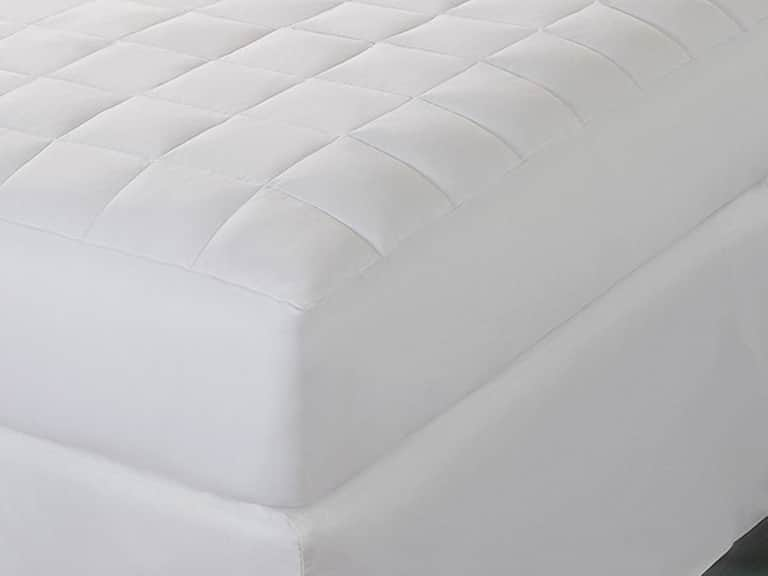
Arcadia Mattress Pad — A versatile protective layer that complements a latex-focused sleep system with a cushioned surface and secure fit. This example demonstrates how toppers and pads can interact with underlying latex cores to influence overall feel and protection without altering core material integrity. Link: Arcadia Mattress Pad product page.
Notes: Demonstrates how a well-fitted pad can maintain loft and protect the mattress while preserving air-flow characteristics essential to latex systems.
Savvy Rest Tranquility Latex Mattress — An example of an organic latex mattress that emphasizes customization, organic materials, and American craftsmanship. This model reflects the principle of layering and material choice that can optimize comfort while staying aligned with certification-minded purchasing. Link: Savvy Rest Tranquility Latex Mattress product page.
Notes: Highlights the interplay between latex core quality, wool or organic cotton components, and the potential for tailored firmness profiles within organic frameworks.
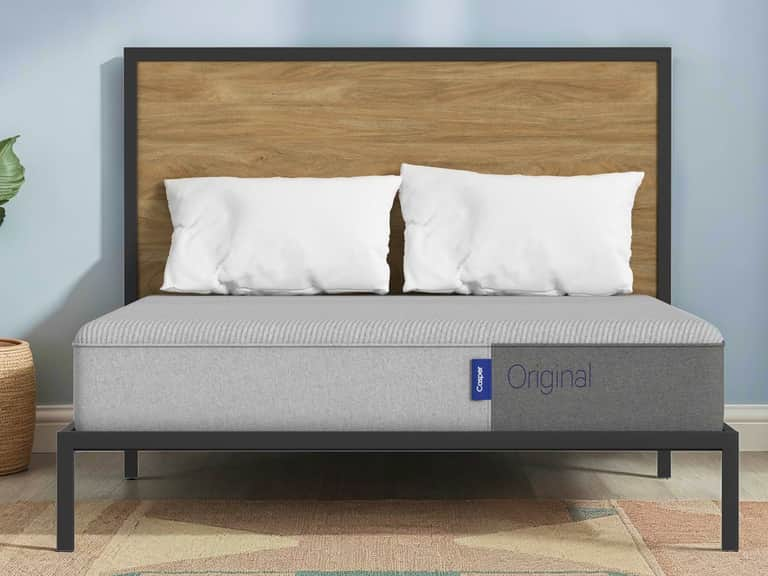
Original Mattress (Casper) — While not a latex-only option, this example helps illustrate how different foam-based systems balance airflow and contouring. It serves as a contrast point for understanding the unique advantages of latex in terms of resilience and natural material appeal. Link: Original Mattress product page.
Notes: Useful for readers comparing latex to hybrid or memory-foam approaches in terms of responsiveness and breathability.
Glossary: key terms you’ll encounter
To empower readers with strong literacy in mattress science, here is a concise glossary of terms frequently used when discussing natural latex and organic mattresses:
- GOLS — Global Organic Latex Standard, the leading certification for organic latex production and processing.
- Dunlop latex — A method of latex production yielding a denser, often firmer core; commonly associated with robust support.
- Talalay latex — A method producing a more uniform cell structure and often a lighter, more contouring feel.
- OEKO-TEX — A certification for textiles confirming absence of harmful substances in finished products.
- GOTS — Global Organic Textile Standard, covering organic textiles and ensuring responsible processing and finishing.
- Zoning — Design technique in mattresses that uses different firmness levels across the surface to tailor support for various body regions.
- Ventilation — A critical property in latex mattresses that supports temperature regulation through breathable covers and core design.
Takeaways for informed, non-promotional decision-making
For readers focused on education and practical understanding, the core messages are:
- Natural latex offers durable support with varying feel profiles depending on whether the core is predominantly Dunlop or Talalay; consider your sleep position and weight when weighing options.
- Certifications provide critical signals about organic claims and safety. Look beyond marketing language to verify GOLS, GOTS, and OEKO-TEX verifications for materials and textiles.
- Care and maintenance matter: rotation, protective covers, and appropriate foundations all contribute to maximizing the mattress’s lifespan.
Closing thoughts: a science-forward, consumer-friendly approach
The mattress landscape can feel saturated with claims and buzzwords. By grounding decisions in material science, certifications, and practical care, shoppers can navigate natural latex options with confidence. The integration of practical guidance with rigorous, non-promotional education aligns with the mission of this educational resource: to illuminate the complex world of mattress materials and manufacturing while empowering readers to choose products that align with their values and lived experience.